
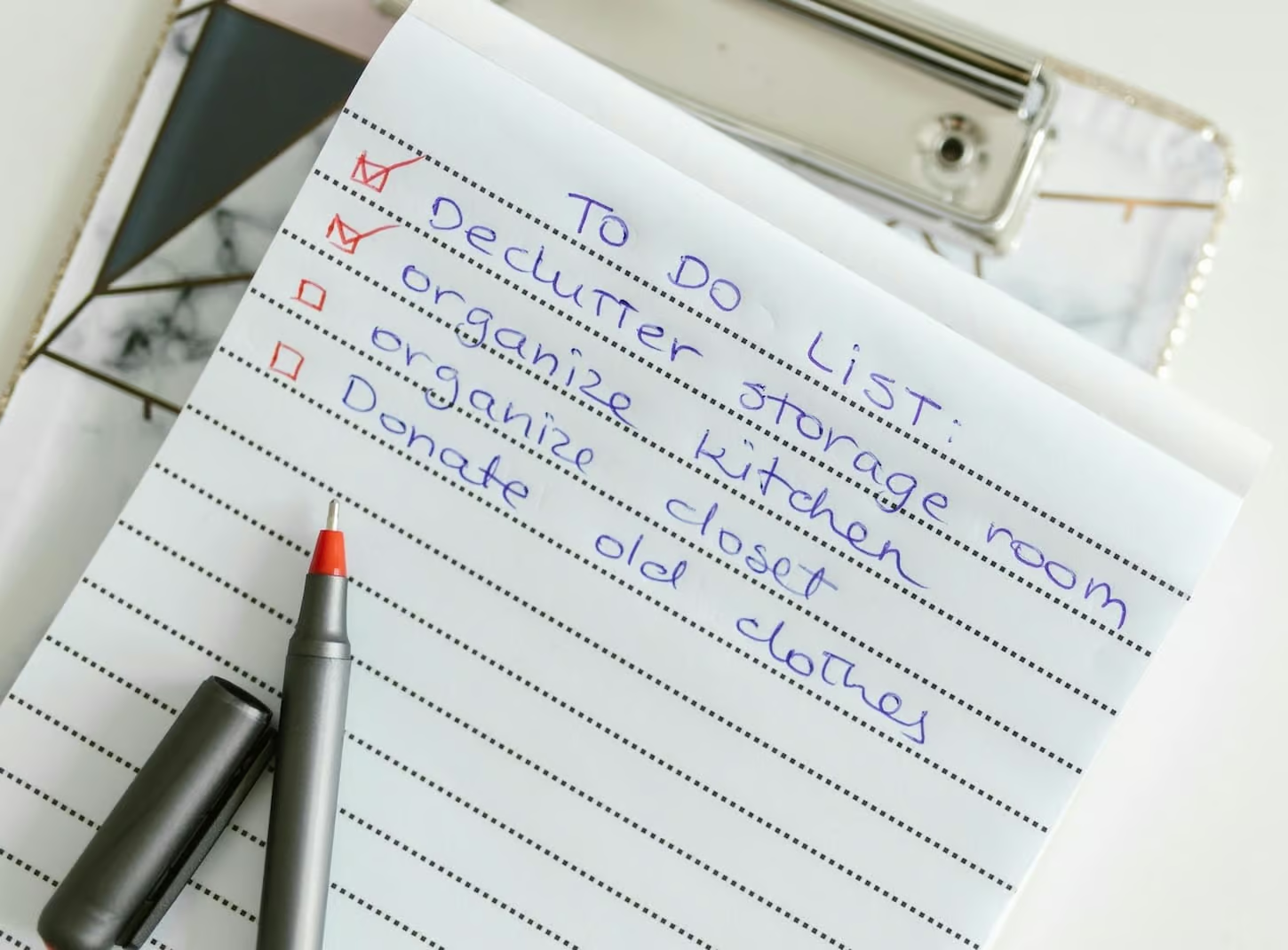
When selling a house, a homeowner’s thoughts are often focused on the preliminary steps. The first few weeks, if not months, are dedicated to cleaning, decluttering, painting and staging to ensure the home makes an impact. Meanwhile, extensive research goes into deciding a listing price and a promotional strategy.
This thorough preparation is essential if you want to get the highest price and best terms possible from your sale, but what comes next?
In this post, we’ll answer your questions as to what happens on closing day for the seller.
An accurate, unbiased assessment is the foundation of your effective home-selling strategy. Start by booking your complimentary home evaluation with our experts.
Real Estate Closing Is a Process
You hear a lot about “closing day” in real estate for a good reason. It’s a very busy time, with a lot going on for both the buyer and the seller as ownership of the process officially changes hands.
That said, quite a few things happen in the background before we even get to that point. The closing period begins from the moment both signatures are on the Agreement of Purchase and Sale (APS) and usually takes between 30 and 60 days.
The following overview will help you know what to expect:
On the day you accept the offer, you first breathe a sigh of relief that the sale part of the transaction is over. Fortunately, there are no more showings or open houses to contend with. All that’s left is the packing, moving and fulfillment of any conditions, if applicable.
All may seem quiet, but your lawyer and real estate agent will be busy in the background. First, the buyer will submit their deposit, which is typically held in trust by the listing brokerage.
The lawyer runs a title search, prepares a statement of adjustments and discharges or ports your mortgage. (The Statement of Adjustments calculates how much the buyer owes you if you have prepaid any of your property taxes or other municipal charges). The lawyer will also review the APS and all other related documents to ensure all terms and clauses are above board.
Are you looking for some tips to make your house stand out and maximize your transaction? You’ll find plenty in the posts below:
- Selling Your House in Hamilton? Here’s How to Make the Most of It
- 8 Important Things to Remember When Selling Your Home
- How to Stand Out in a Changing Real Estate Market
Preparing for the Final Walkthrough
The buyer will eventually want to do a final walkthrough to take their measurements and ensure the house is in the same condition as when they placed their offer and that any agreed-upon chattels are left behind. This usually happens a few days before the official closing date.
The house must be in decent condition for the final walkthrough, but unlike during showings, it doesn’t have to be pristine. The buyer expects to see plenty of boxes and chaos; what they don’t want to see is any new holes in the wall or damaged plugs – or any damage, for that matter.
On Closing Day
Closing day and Possession Day can be different depending on the situation. However, both typically happen on the same day. You might anticipate that this time will be the most hectic yet, but surprisingly, much of it is simply about waiting. By now, you’re probably packed and ready as soon as you get the green light.
As a courtesy, it’s standard practice to leave the house in a “broom swept” condition by ensuring no one leaves anything behind and you’ve properly disposed of all trash. Giving the carpets a quick vacuum and washing the floors are also customary. You don’t need to hire professional cleaners; just think of how you would want to receive the home if you were the buyer.
While you’re taking care of the property itself, the lawyers and banks iron out the business details. The buyer’s lawyer will send all funds to your lawyer, who then registers the title in the buyer’s name. This part typically happens behind the scenes without your involvement. Once complete, the lawyer will notify your Realtor®, and it’s time to vacate and leave the keys in the drop box so the buyer can begin moving in.
Looking for more details as to how real estate works when selling a house? The posts below will shed some light on the topic:
- What’s in Your Listing Agreement?
- Is It a Good Time to Sell My House in Ontario?
- What Does Sold Conditional Mean?
Disbursement of Funds at Closing
Now, we come to the most important question of all. When does the seller get paid after closing? Generally speaking, it isn’t a long wait once the lawyer registers the new title with the Ontario Land Registry. The funds are already available and waiting in trust for disbursement day.
Depending on the time closing takes place, you might receive the funds the same day. If the transaction is finalized late in the afternoon or during a holiday, it might not be until the following business day.
Before releasing the funds, the lawyer first clears your existing mortgage with your bank, including any penalties for early payment. Then, they distribute any applicable real estate commissions between the buyer and listing brokerages and deduct their own fee and disbursements. The lawyer will then transfer the remaining balance to you through a wire transfer or bank draft.
It doesn’t take long to receive payment. However, it may not be fast enough if you are counting on those funds to cover your next purchase. The possibility of a slight delay is why many homeowners wait for their transaction to finalize before committing to a new purchase. Alternatively, you could seek bridge financing once you have a firm offer.
The process of preparing and listing your house, negotiating the terms and closing the transaction can seem confusing, especially when life is already busy with career and family. Your best bet is to partner with a local full-service real estate team, where an expert is always there to guide you and answer all questions. This level of support can make an otherwise stressful time straightforward and seamless.
Do you have questions about selling your home in today’s market? Our top agents in Hamilton & Burlington can help you get the results you need. Reach out today with any questions you have, or call 905-332-9223 to connect with our office.